This post may contain affiliate links. Learn more here.
After years of cooking for two and sharing recipes here on the blog, I’ve learned something important: readers come to a recipe post for different reasons. Sometimes you want the backstory. Sometimes you just want dinner on the table. And sometimes you’re remaking a favorite and only need one specific detail.
That’s exactly why our recipe posts are structured the way they are.
While we are very much recipes first, each post also includes practical, experience-based guidance—things I’ve learned from making these dishes over and over again in a real home kitchen. Below is a quick walk-through of the format so you know exactly where to find what you need.
Jumping Right to What You Need
At the very top of every recipe post, you’ll see options to jump straight to the recipe card or print the recipe. If you’re short on time, no scrolling required.
Just below that, you’ll find a “Jump to” section, which lets you skip directly to the part of the post that’s most useful to you—especially helpful for return visitors who already know the recipe and are looking for something specific.
You’ll typically see links to:
- Getting Started
- Ingredient Recommendations
- Ingredient Alternatives
- Finishing Touches
- Pairings
- Leftovers
- Recipe
Think of this as your roadmap—use as much or as little of it as you like.
Getting Started
This section is all about setting yourself up for success before you turn on the stove.
Here’s where I share:
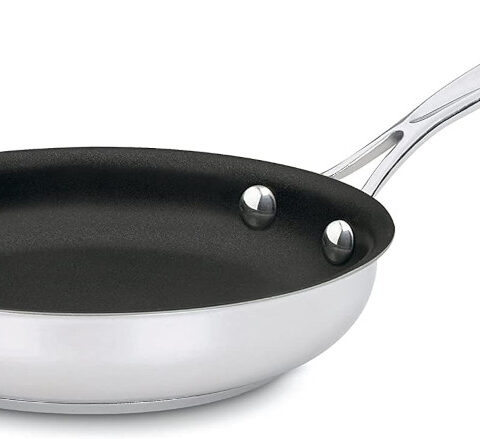
- Equipment tips and recommendations
- Prep strategies that make cooking smoother
- Mise en place guidance (what to prep ahead and what can wait)
These are the little things that don’t always fit neatly into a recipe card but make a big difference when you’re actually cooking.
Ingredient Recommendations
This is where I talk through the ingredients themselves.
You’ll find:
- Preferred brands or types when it matters
- Substitutes and shortcuts that work
- Ingredients I consider must-haves for the best results
If you’re wondering why I use a certain ingredient or whether you can swap something you already have on hand, this is the section to check first.
If you’re specifically looking to adapt a recipe for dietary needs or preferences, head to the next section instead.
Ingredient Alternatives
When a recipe includes an “option” tag—such as gluten-free option or vegetarian option—this is where those adaptations live.
This section is dedicated to:
- Ingredient swaps to accommodate dietary needs
- Adjustments that preserve the spirit of the dish
- Clear guidance on what works and what doesn’t
I keep this separate from general substitutions so it’s easy to find exactly what applies to you.
Finishing Touches
This is where everything comes together.
Here I share:
- Tips for bringing the dish to the finish line
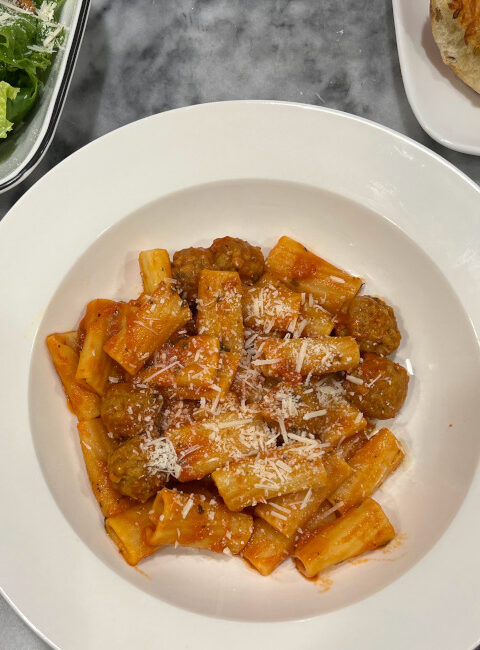
- Serving suggestions
- Small adjustments that elevate the final result
These are often the details that turn a good recipe into one you’ll want to make again.
Pairings
Sometimes a recipe needs a little something alongside it—and sometimes you just want ideas.
In this section, you’ll find suggestions beyond the recipe card, such as:
- Side dishes
- Simple salads or breads
- Wine or beverage pairings
These ideas are optional, but they’re a great way to round out a meal, especially when cooking for two.
Leftovers
If a recipe makes leftovers, this is where you’ll learn exactly what to do with them.
You’ll find guidance on:
- How to store leftovers
- How long they keep
- The best way to reheat without sacrificing texture or flavor
Because leftovers should feel like a bonus—not an afterthought.
The Recipe Card
Finally, at the bottom of the post, you’ll find the full recipe card—clear, concise, and printable.
This is your go-to for:
- Ingredients
- Measurements
- Step-by-step instructions
Everything else in the post is there to support the recipe and help you make it your own.
Whether you’re a first-time visitor or someone who’s cooked along with me for years, my goal is the same: to make these recipes approachable, flexible, and dependable—especially when you’re cooking for two. Use the parts that serve you, skip what doesn’t, and always feel free to come back when you need a refresher.